Do You Have TMJ? You Might Have Sleep Apnea
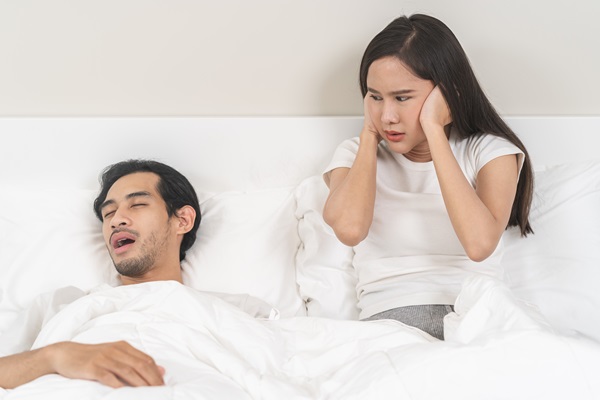
There are many scientific studies about the correlation between sleep apnea and TMJ pain. According to the Centers for Disease Control, sleep apnea is currently a national epidemic, and up to 85 percent of all cases are yet undiagnosed.
The jawbone connects with the temporal bone at the temporomandibular joint, otherwise known as TMJ. Typically, this joint enables opening and closing of the mouth for speech, eating and rest. If something goes wrong, a TMJ disorder can have adverse effects on your life and overall well-being. In this article, you will learn about how your TMJ disorder might be related to your sleeping issues.
TMJ Disorders
According to the National Institutes of Health, around 10 million people are dealing with TMJ disorder, although most cases are mild. The symptoms usually include pain, sore facial muscles and clicking or popping sounds coming from their jaw. Diagnosing the cause of the issue is essential since the stress and jaw conditions can quickly become an uncomfortable, recurrent cycle.
Teeth grinding or clenching can worsen TMJ pain. The pain can extend to the face, neck, shoulders and head. Many patients of TMJ disorder often complain of chronic migraines and headaches.
The TMJ and sleep apnea relationship
Different studies have shown that 43 percent of TMJ patients have sleeping issues. In obstructive sleep apnea, when the air passages collapse, the brain automatically triggers the lower jaw to shift forward and open the airway. The constant shifting of the TMJ can induce stress on the jaw joint, and that is the main correlation between TMJ and sleep apnea.
TMJ disorder has been associated with chronic fatigue syndrome, which worsens sleep apnea and affects overall well-being. Also, the physical position or misalignment of the jaw can prevent the air passages from remaining open during sleep. Sleep apnea is connected to the underdevelopment of the jaws, and almost all treatments available for sleep apnea are aimed towards handling such issues.
Solving the problem
In some cases, TMJ disorder disappears on its own, but you do not have to endure the pain and hardship before seeking treatment. Good sleep is essential for optimal functions of the body and overall health.
The treatments available for TMJ disorder include mouthguards and oral splints, corticosteroids for pain relief, surgery in severe cases, medications (anti-inflammatories and muscle relaxers) and Botox injections to relax muscles.
Sleep apnea does not heal on its own and can cause severe health complications if untreated. Sleep apnea predisposes you to the risk of stroke, heart attack, diabetes and other chronic diseases — it can even be deadly. Treatments for sleep apnea include dental sleep appliances, CPAP machines and surgery for severe cases. The aim is to correct the impaired foundation and create a more efficient air passage system.
In conclusion
If you are feeling any form of pain in your jaw or dealing with sleeping issues such as sleep apnea, you should contact your dentist immediately for evaluation and treatment.
Request an appointment here: https://www.annarborpersonaltouchdentistry.com or call Shiva G. Rad, D.D.S. at (734) 436-0817 for an appointment in our Ann Arbor office.
Check out what others are saying about our services on Yelp: Sleep Apnea in Ann Arbor, MI.
Recent Posts
A root canal can save a severely damaged tooth. However, a sizable portion of the tooth will likely be gone afterward. The good news is that a restorative dentist can rebuild the treated tooth with a dental crown. While not always a requirement after root canal therapy, these restorations are often the final step in…
A root canal is a standard way to save a tooth from severe damage or infection. However, you may have questions or concerns about the recovery process once you get home and the local anesthetic wears off. Here are five common concerns that patients have after a root canal.Mild to moderate discomfort is a common…
Oral appliance treatment is an innovative treatment alternative to a traditional CPAP machine for obstructive sleep apnea (OSA). Sleep apnea can make sleeping at night a challenge, cause difficulty with focus throughout the day and affect your general health, and seeking treatment is important if symptoms continue or worsen.The benefits of oral appliance treatment to…
Finding a reliable dentist near me becomes a top priority when sudden tooth pain disrupts one's daily routine and makes eating or sleeping difficult. This discomfort often serves as an early warning sign that a tooth needs professional attention to prevent a minor ache from becoming a major ordeal. Addressing the problem quickly helps preserve…