Family Dentistry 101: 5 Reasons Your Teeth May Appear Yellow

As they get older, many adult patients in the care of family dentistry offices express concern about the persistent discoloration of their teeth. This shift occurs despite a consistent brushing routine, leading many to wonder if they are experiencing an underlying health issue or simply the effects of aging. By examining the biological and environmental factors unique to adulthood, you can better understand the science of a maturing smile.
1. Aging and genetics
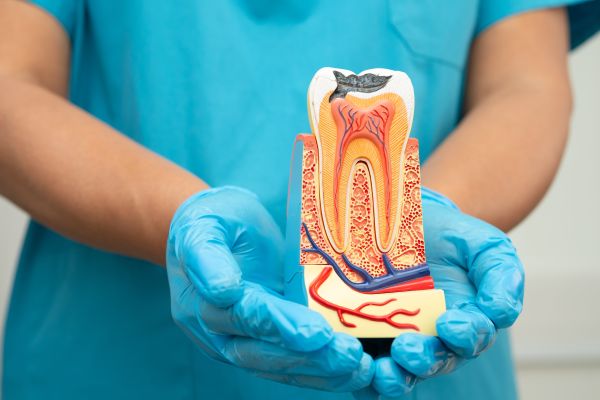
The most common reasons for yellowing teeth in the adult mouth involve internal factors that are beyond a patient's immediate control. For example, some individuals may be affected by genetics, as they are born with thinner enamel or a darker, yellowish dentin. Aging is another factor. As an adult ages, the outer white enamel layer thins over decades of use, making the yellow dentin more visible.
2. Staining from common foods and drinks
Individuals who consume a variety of beverages and meals often experience surface staining as pigments accumulate in the pores of the enamel. Over several years, these stains can penetrate the tooth surface and become embedded within the inner tooth structure.
The most common dietary contributors to adult tooth discoloration include:
- Dark coffees and teas
- Red wines and dark-colored spirits
- Carbonated beverages with artificial colors
- Fruits like pomegranates and blackberries
- Acidic citrus fruits
- Spices such as curry, turmeric, and saffron
These substances can bond to the tooth surface. Regular professional cleanings are necessary to manage this accumulation and prevent permanent discoloration.
3. Smoking and other tobacco use
Tobacco contains tar and nicotine, which are notorious for altering the appearance of enamel. While nicotine remains colorless until it interacts with oxygen, the chemical reaction results in a stubborn yellow substance that clings to the surface of the teeth. Meanwhile, tar is naturally dark and can create deep brown or yellow streaks that are difficult to remove with standard toothpaste. Regular adult smokers experience faster tartar accumulation, which traps these pigments against their teeth. This process results in a cycle of discoloration that usually requires professional-grade treatment to correct.
4. Medications
Older patients often take various medications that can influence the color of their smile. Unlike surface stains caused by food, this type of discoloration occurs within the teeth. Certain medical factors that contribute to this internal yellowing include:
- Antihistamines
- Antipsychotic or antidepressant medications
- High blood pressure medication
- Medicinal mouthwashes containing chlorhexidine
- High-dose iron supplements or specific antibiotics
When discoloration stems from internal factors, the shade often appears dull, matte yellow, or even grayish. A family dentistry practice can determine the most effective way to restore the patient's tooth color.
5. Gum recession
As the aging process affects the gums, many adults experience some gum recession, exposing the roots of their teeth. Roots are covered in a material called cementum, which is yellower and more absorbent than the enamel on the crown. This exposure creates a yellowish appearance near the gum line.
Restore your smile's shine
No matter the cause of your tooth discoloration, there are a variety of modern solutions that can help restore your smile's brightness and shine. Our family dentistry office in the Ann Arbor area can help with a personalized treatment plan. Call our office today to schedule your next appointment.
Request an appointment here: https://www.annarborpersonaltouchdentistry.com or call Shiva G. Rad, D.D.S. at (734) 436-0817 for an appointment in our Ann Arbor office.
Check out what others are saying about our dental services on Yelp: Family Dentist in Ann Arbor, MI.
Recent Posts
An abscessed tooth is a painful and serious dental condition that requires immediate care from an emergency dentist. This condition develops when a bacterial infection forms inside the tooth or gum, leading to swelling, pain, and sometimes fever. Without prompt treatment, the infection can spread to other areas of the body, making early intervention critical…
An emergency dentist can treat toothaches in a variety of ways if the pain becomes intolerable or the symptoms present a risk of worsening and causing other oral health issues if not treated promptly. However, for minor toothaches that can wait until a more convenient time to be scheduled, emergency dentists may provide useful tips…
Infection and swelling mean that you have a major problem in your mouth that needs emergency dentistry, so you should seek a dentist right away. Dental emergencies can change the course of your life when it comes to your face and smile. If you prioritize seeing a dentist right away, it can save you tons…
A preventive dentist promotes long-term oral wellness by focusing on early detection, regular checkups, and proactive measures to protect teeth and gums from disease. By prioritizing prevention, you can avoid many dental issues before they even begin. Explore some of the most frequently asked questions about preventive dentistry, gain valuable insight that can help you…